

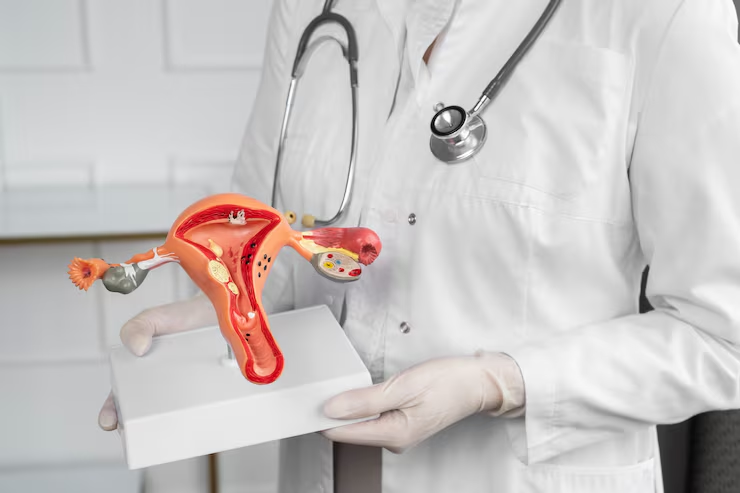
Understanding PCOS: Symptoms, Causes & Effective Treatment
Polycystic Ovary Syndrome (PCOS) is one of the most common hormonal disorders affecting women of reproductive age. It can impact menstrual cycles, fertility, metabolism, and overall health. While PCOS is a lifelong condition, early diagnosis and proper treatment can help manage symptoms effectively and improve quality of life.
The symptoms of PCOS vary from woman to woman and may include irregular periods, weight gain, acne, excessive facial or body hair growth, and difficulty conceiving. Maintaining a healthy lifestyle, following medical advice, and attending regular gynecological checkups are essential for managing the condition and preventing long-term complications.
Why Understanding PCOS Matters?
Early recognition of PCOS helps prevent complications such as infertility, type 2 diabetes, high blood pressure, obesity, and heart disease. Regular consultations with a gynecologist allow timely diagnosis through physical examinations, blood tests, and ultrasound scans, enabling personalized treatment based on individual symptoms and health goals.
Symptoms, Causes & Effective Treatment for PCOS
- Watch for symptoms such as irregular or missed periods.
- Manage weight through a balanced diet and regular exercise.
- Follow your doctor's advice regarding hormone-related medications.
- Control blood sugar levels with healthy eating habits.
- Stay physically active for at least 30 minutes most days.
- Take prescribed medications consistently to regulate menstrual cycles.
- Address acne and excessive hair growth with appropriate medical treatment.
- Reduce stress through yoga, meditation, or relaxation techniques.
- Schedule regular gynecological checkups to monitor your condition.
- Seek fertility evaluation if you are planning pregnancy and facing difficulty conceiving.
Conclusion
PCOS is a manageable condition when diagnosed early and treated with the right combination of lifestyle changes, medication, and regular medical care. Maintaining a healthy weight, eating a nutritious diet, staying active, and following your gynecologist's recommendations can significantly improve symptoms and reduce the risk of future health complications. If you experience signs of PCOS, consult your gynecologist for a proper evaluation and personalized treatment plan.